 Housed in the evocative Sant’Oliva Monumental Complex, the Museo della Città e del Territorio is Cori’s cultural heart, a reference point for understanding and celebrating the historical heritage of the Lepini Mountains. Opened in 2000, the museum spans over 1,000 square metres across three floors. Its displays, organised into eight chronological and thematic sections, trace thirty-five centuries of history — from prehistory to the modern age.
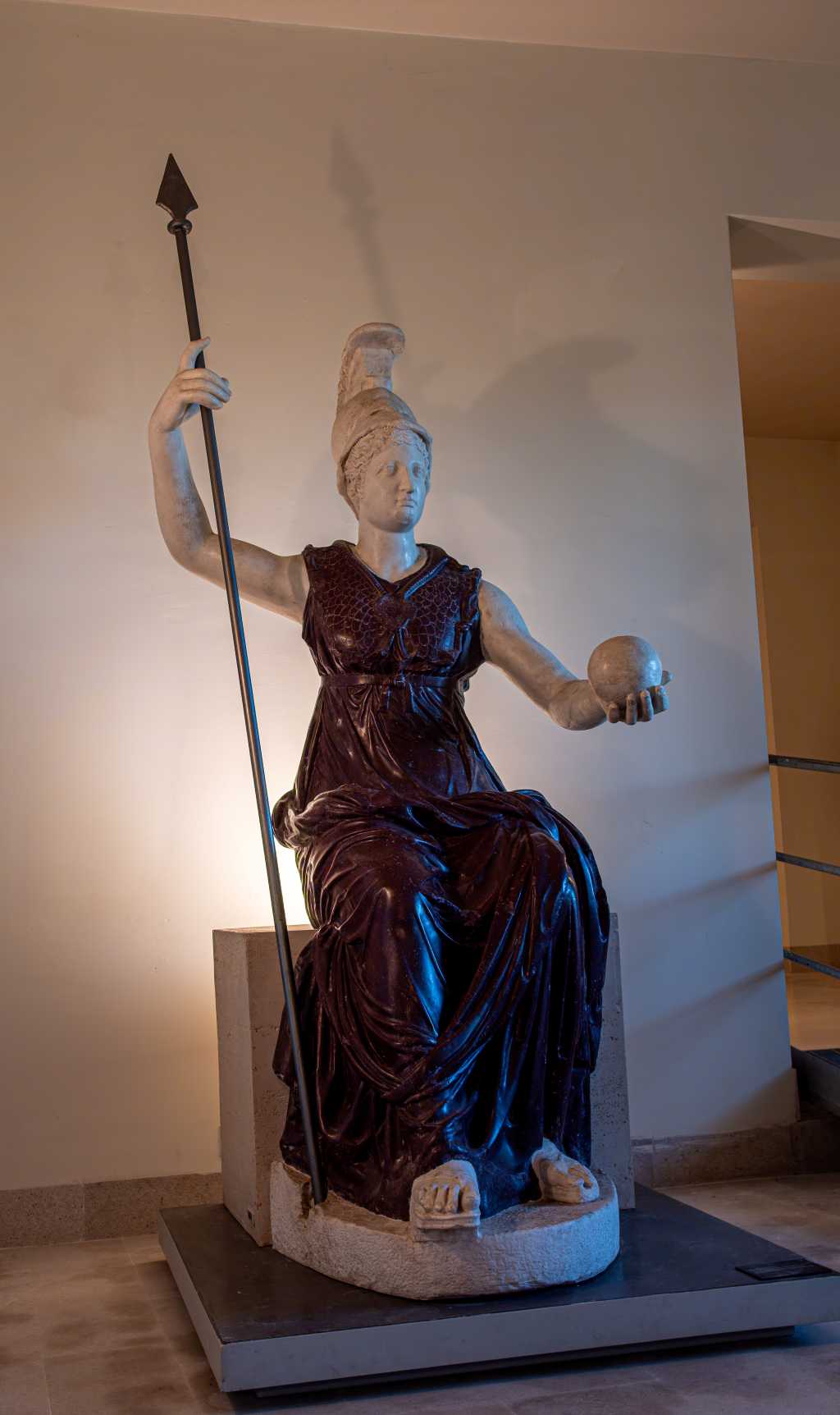
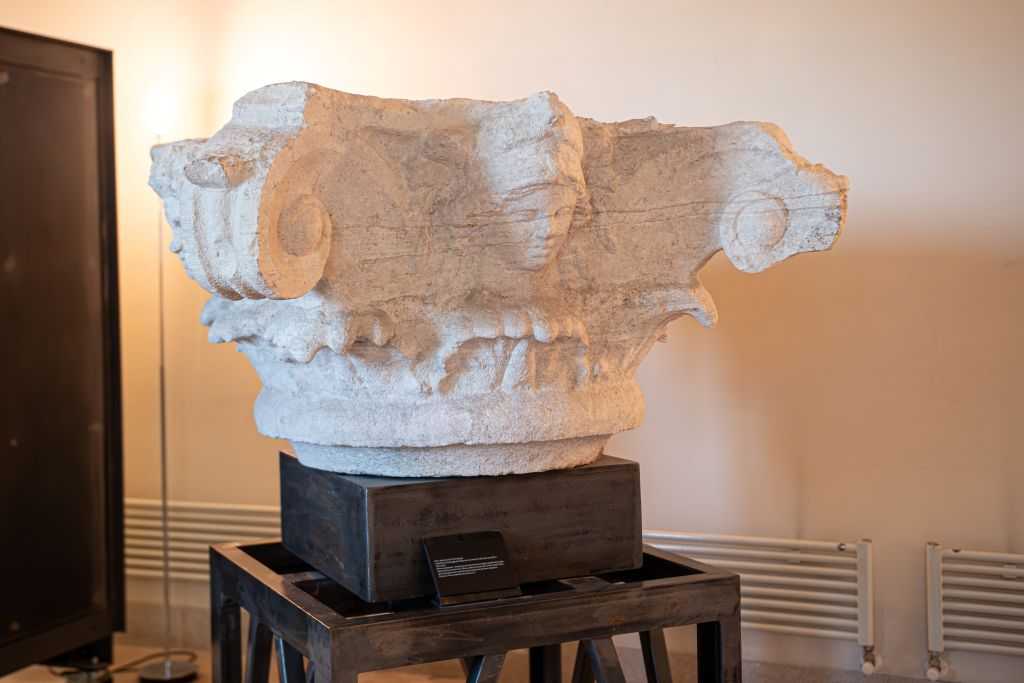
The exhibition takes visitors on a journey through the cultural layers of the territory. Highlights include archaeological artefacts such as ceramics, bronzes, inscriptions, and statues from the archaic and Roman periods. The museum also displays archival documents, 18th- and 19th-century prints, scale models, and photographic reproductions of monuments and frescoes. Among the most notable pieces are the reconstructions of the Temples of Hercules and the Dioscuri, sculptural fragments, monumental capitals, and votive artefacts from local necropolises.
The museum is more than an exhibition space: it is a centre for research and education, hosting conferences, temporary exhibitions, and educational activities for schools and universities. Collaborating with national and international institutes, it preserves a heritage that intertwines archaeology, art, and landscape, presenting the territory as the product of human interaction with the environment.
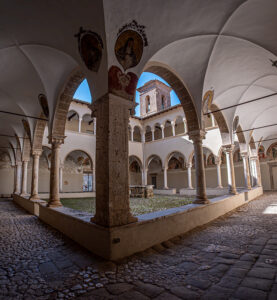
The Renaissance cloister and the rooms of the former Augustinian convent provide a unique setting, allowing visitors to engage with the history of Cori and southern Lazio in an immersive experience. Today, the City and Territory Museum is the ideal place to explore the roots of a community that has carefully preserved and shared its identity across the centuries.