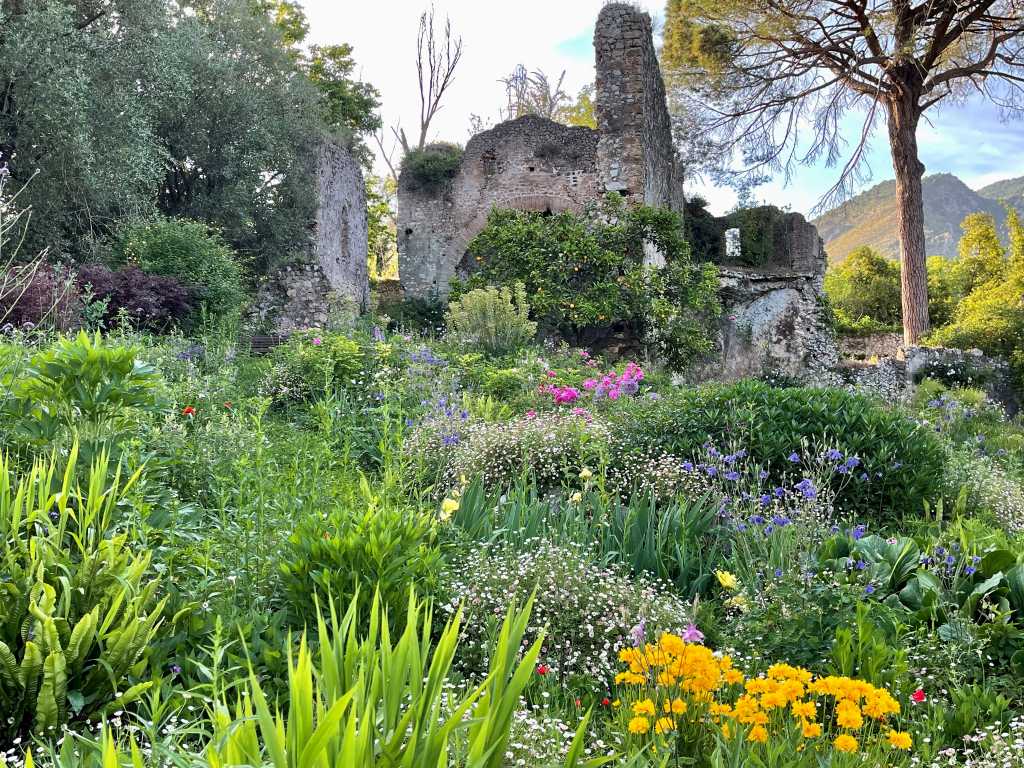
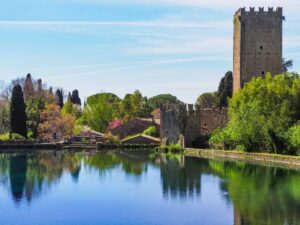
 The Garden of Ninfa rises upon the ruins of the medieval town of Ninfa, whose name derives from a Roman temple dedicated to water deities. Flourishing between the 11th and 12th centuries under noble families such as the Tuscolo and Frangipane, the town was later acquired in 1298 by Benedetto Caetani — known as Pope Boniface VIII — for his nephew Pietro II Caetani.
In 1382, Ninfa was destroyed and never rebuilt. Over time, the remaining inhabitants abandoned the area, driven away by malaria, leaving behind only the silent ruins of the town.
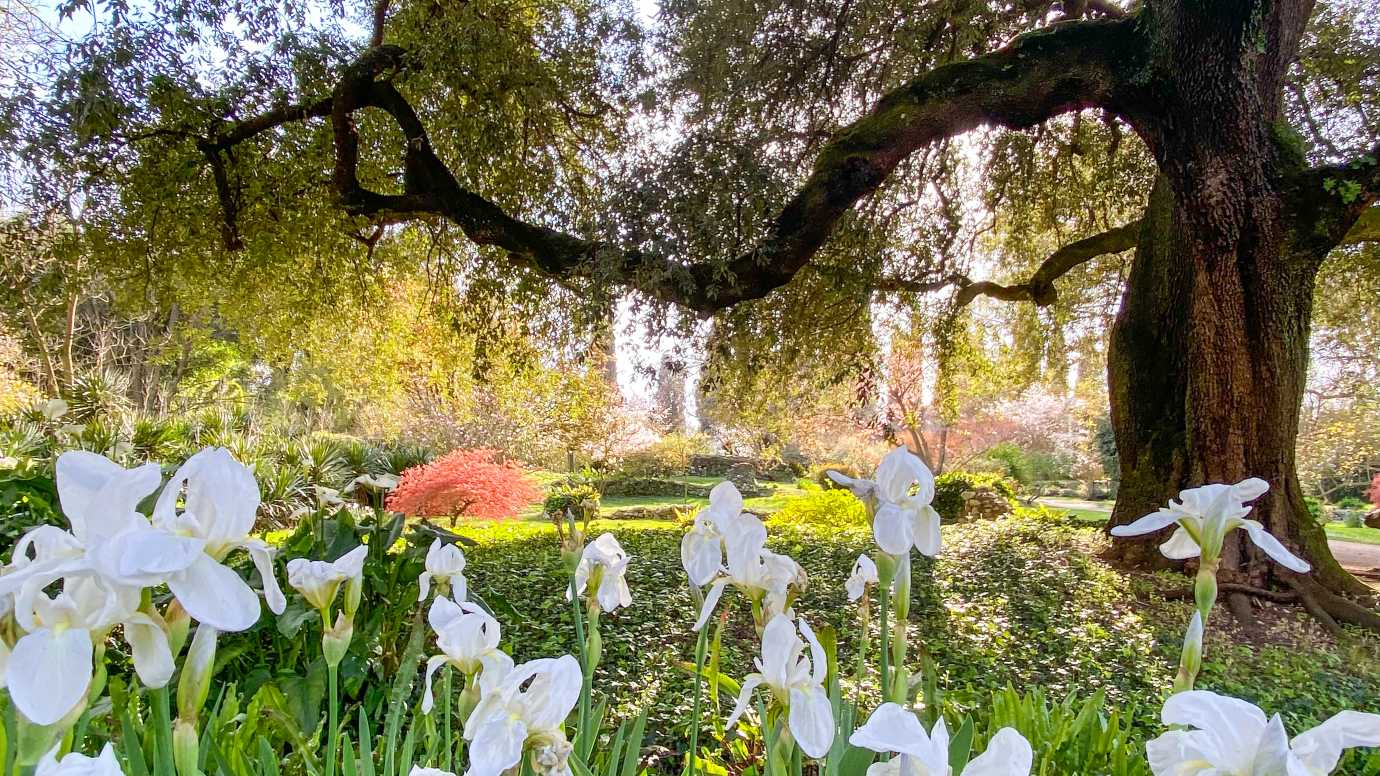
It was not until the late 19th century that the Caetani family returned to their ancestral lands. Thanks to the initiative of Ada Bootle Wilbraham, wife of Onorato Caetani, Ninfa was revived as an English-style garden. Marshes were reclaimed, the first cypresses, oaks, beeches, and roses were planted, and some ruins were carefully restored.
In the 1930s, Marguerite Chapin opened the garden to a lively circle of writers and artists. Later, Lelia Caetani, painter and the family’s last heir, nurtured Ninfa with the care and vision of one crafting a living masterpiece.
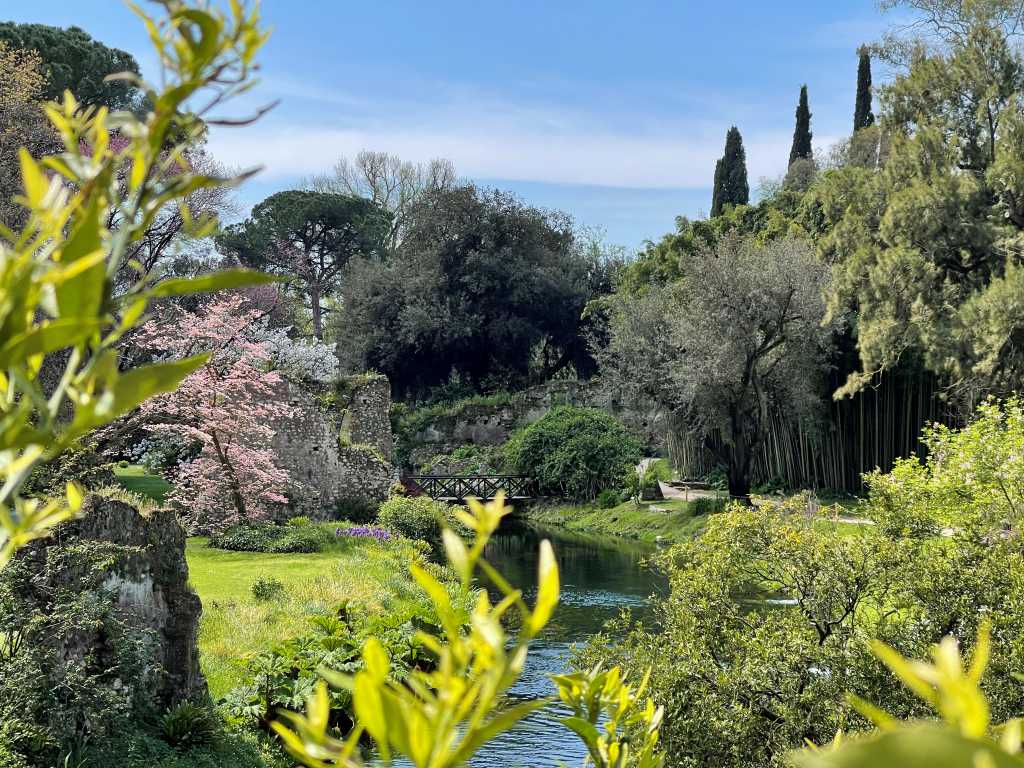
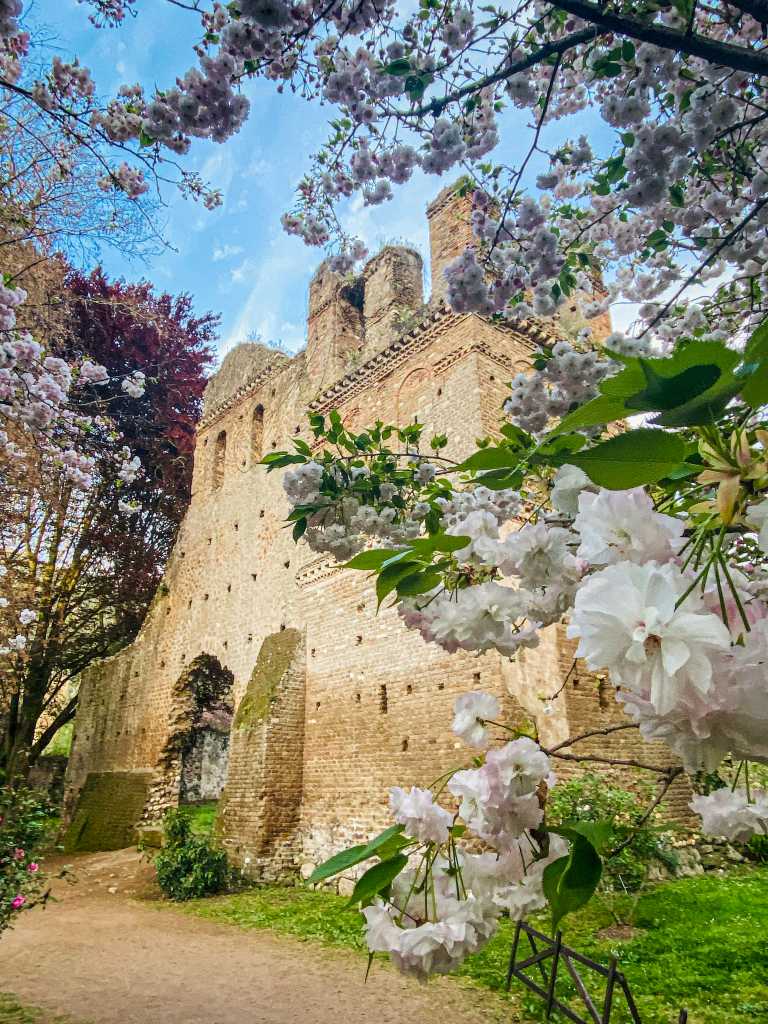
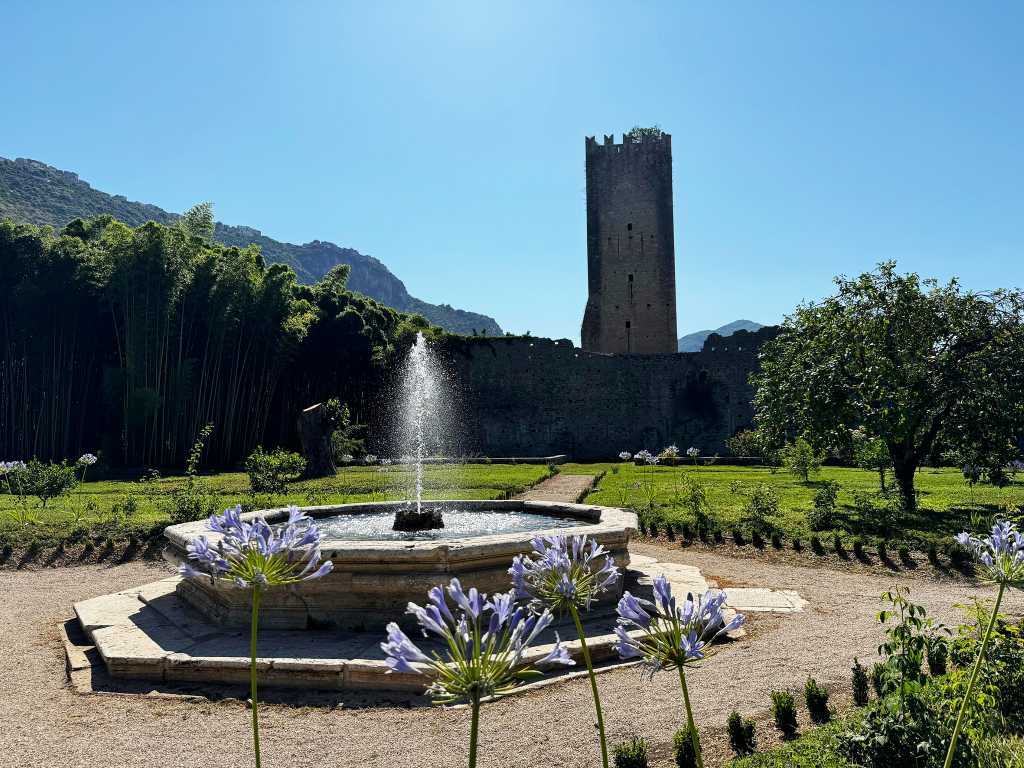
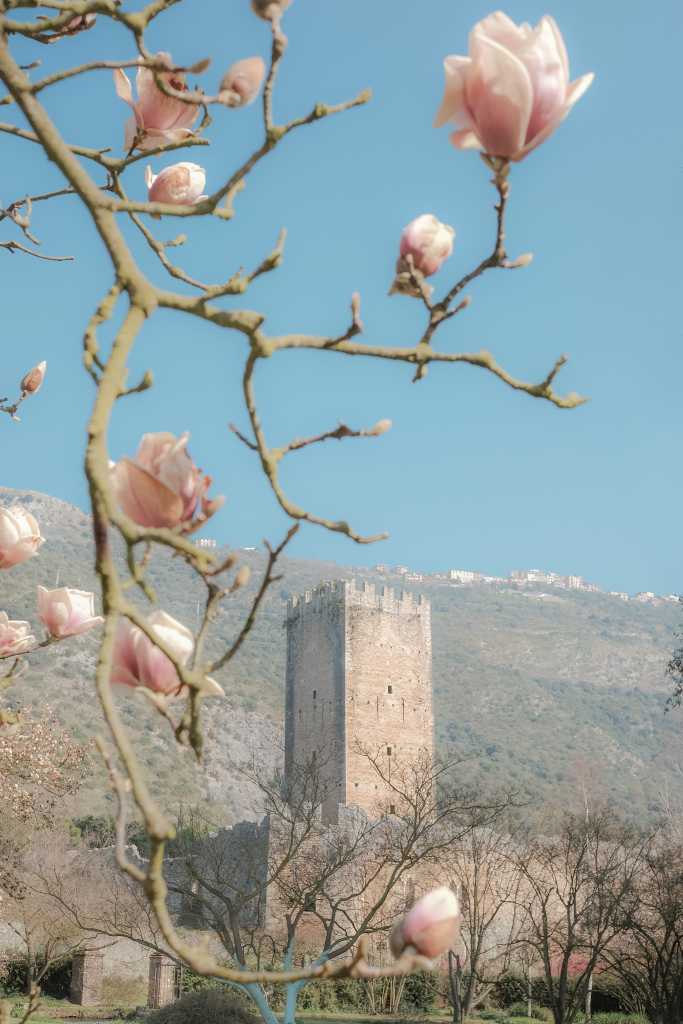
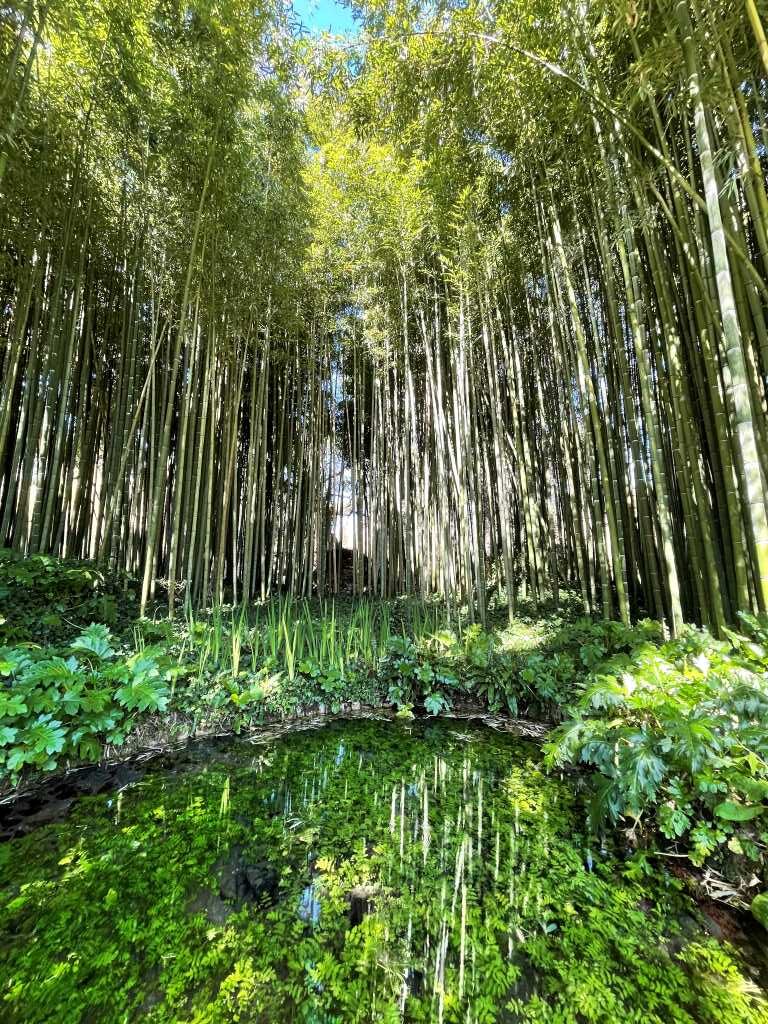
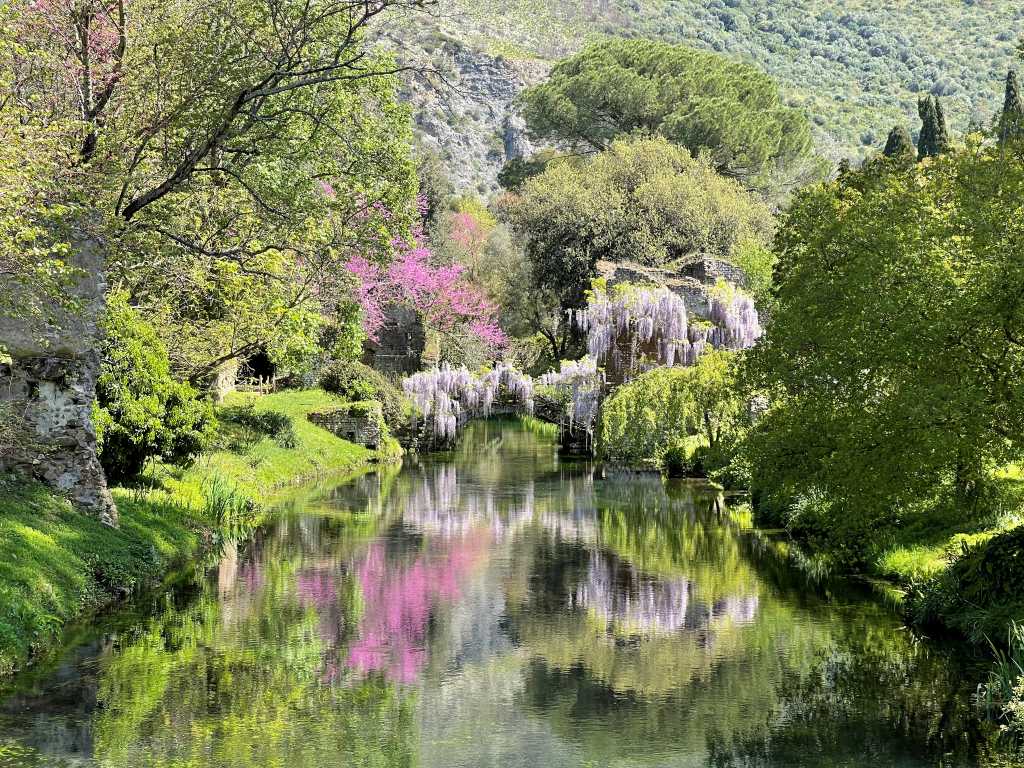
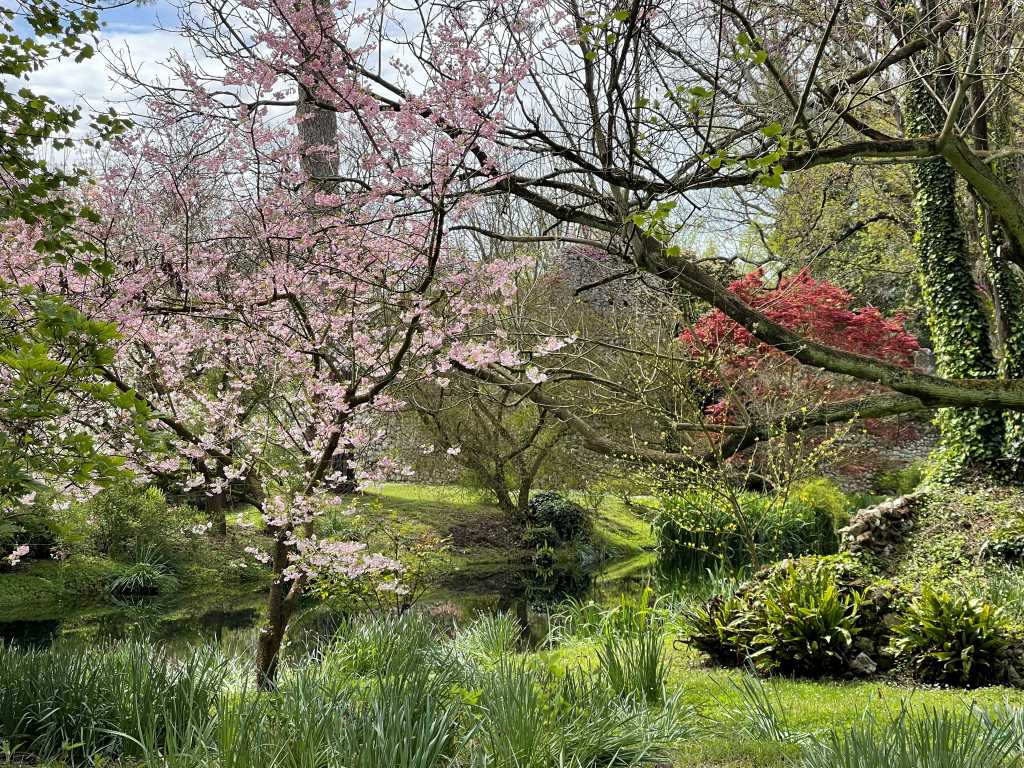
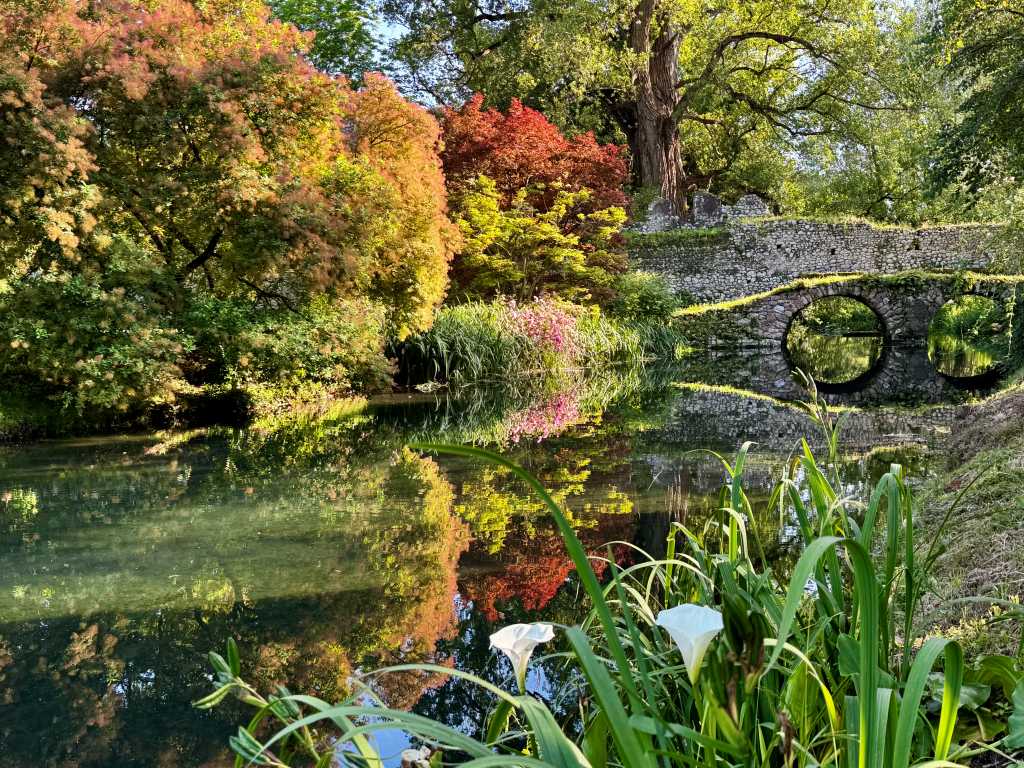
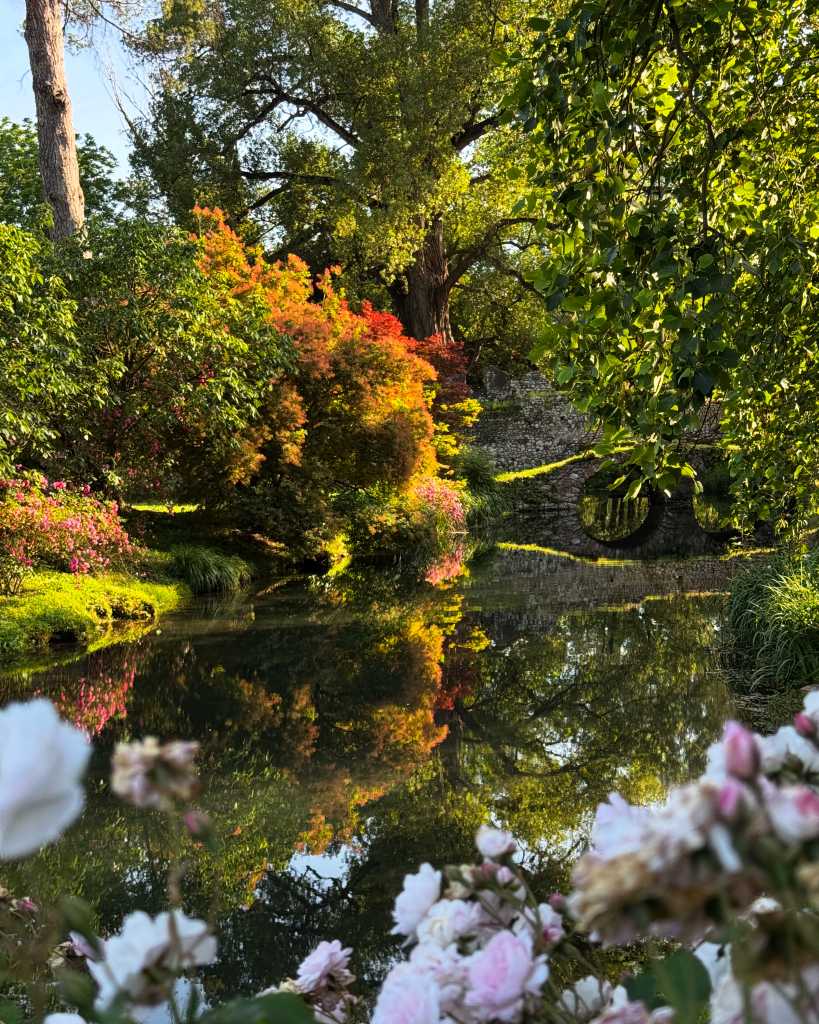
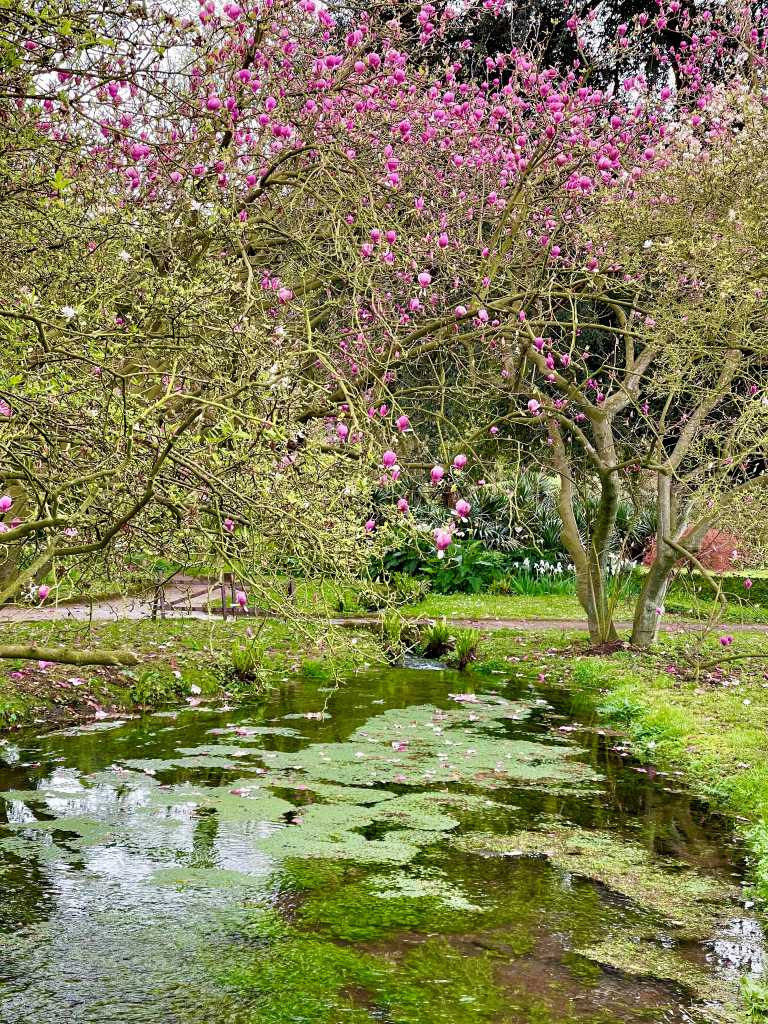
Today, the garden is home to over 1,300 plant species — including magnolias, prunus, and climbing roses — while streams and ponds wind around towers, churches, and medieval walls.